Monuments of Oblivion
2025 - ongoing
Performances / Sculptures / Archive
The project “Monuments of Oblivion” explores local politics of memory. During times of social and political crises, memory often becomes a tool of power and manipulation – it can be rewritten or steered in a desired direction, yet a critical approach to cultural heritage and its reinterpretation offers ways to resist these processes.
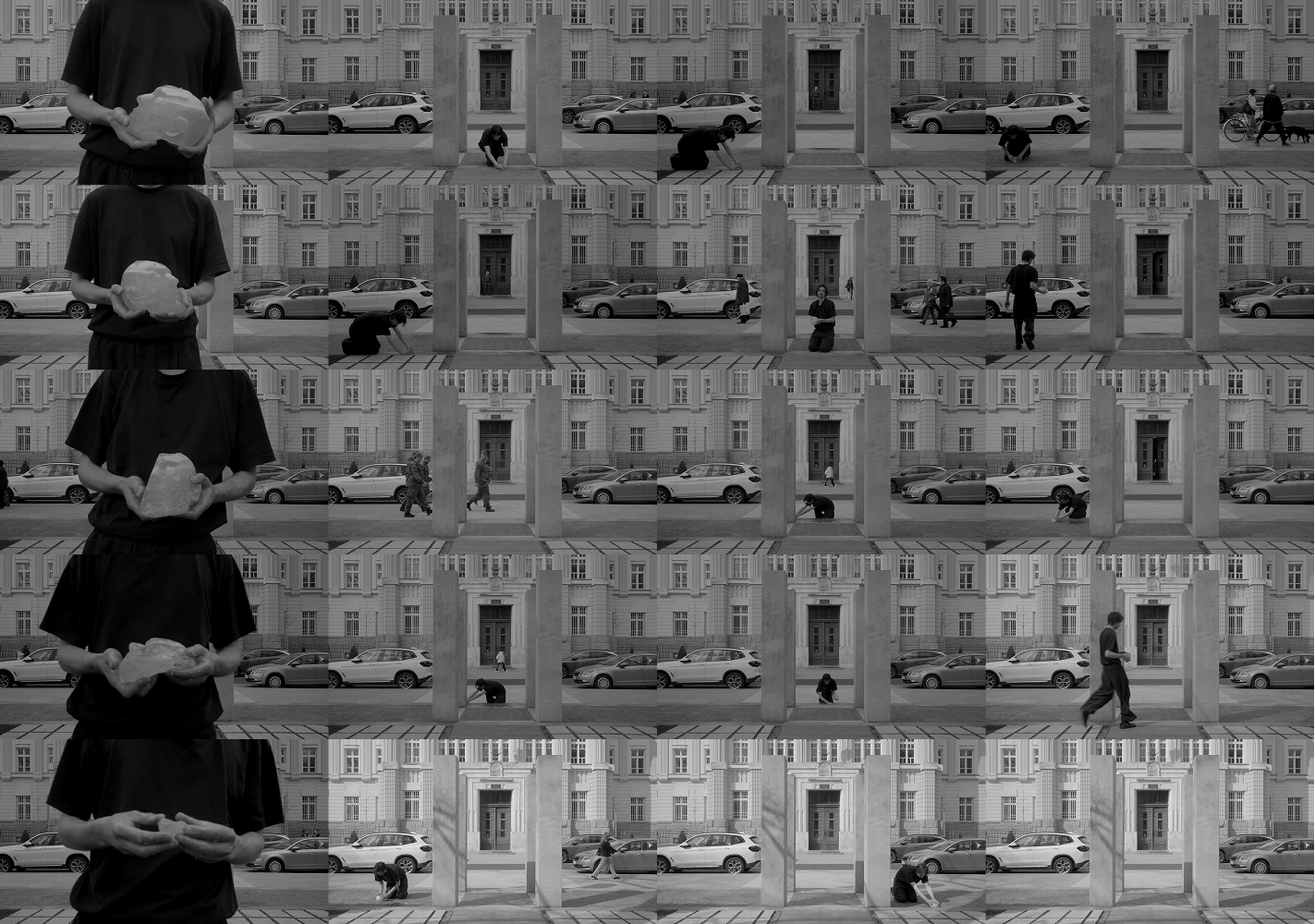
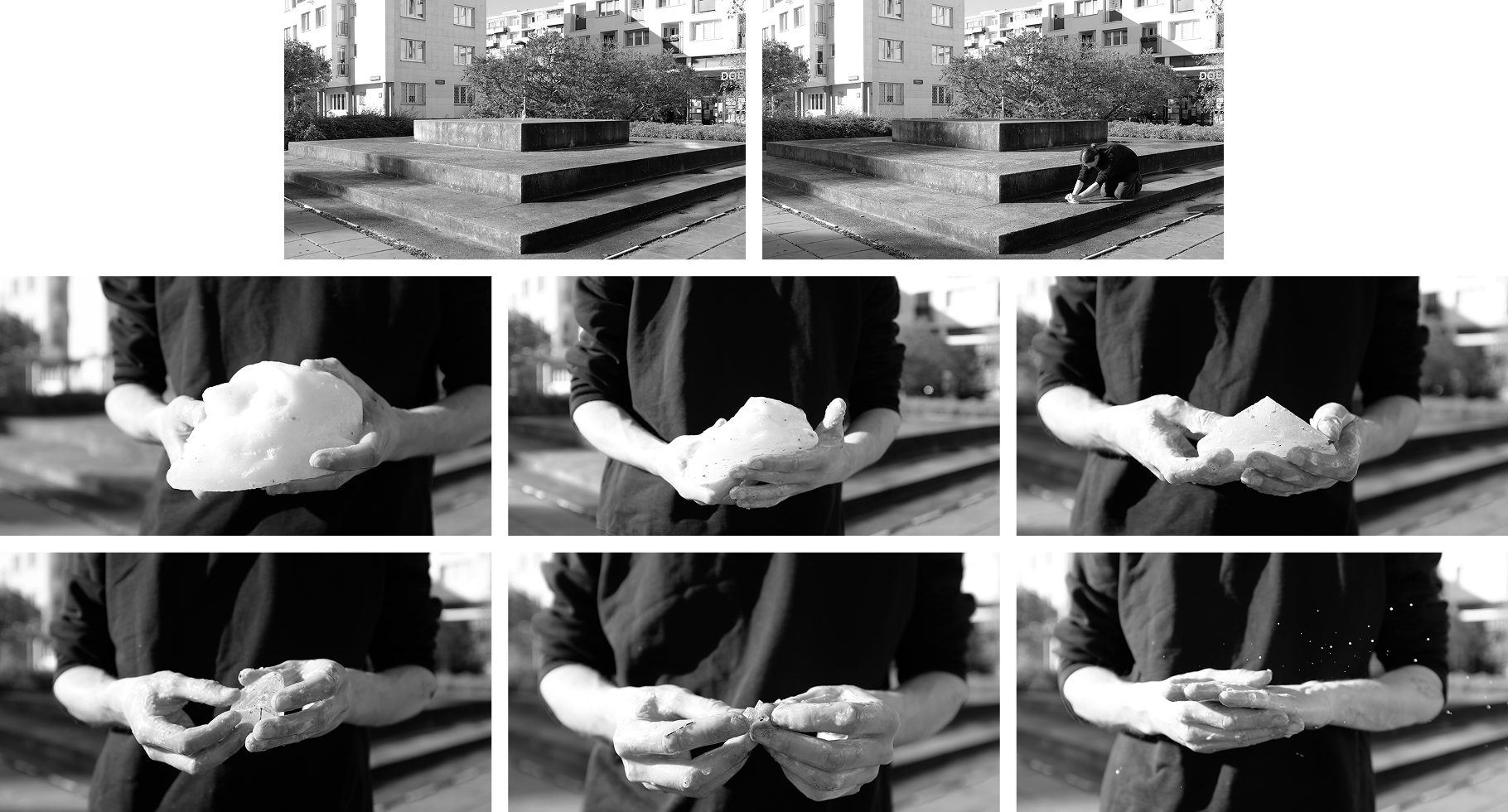
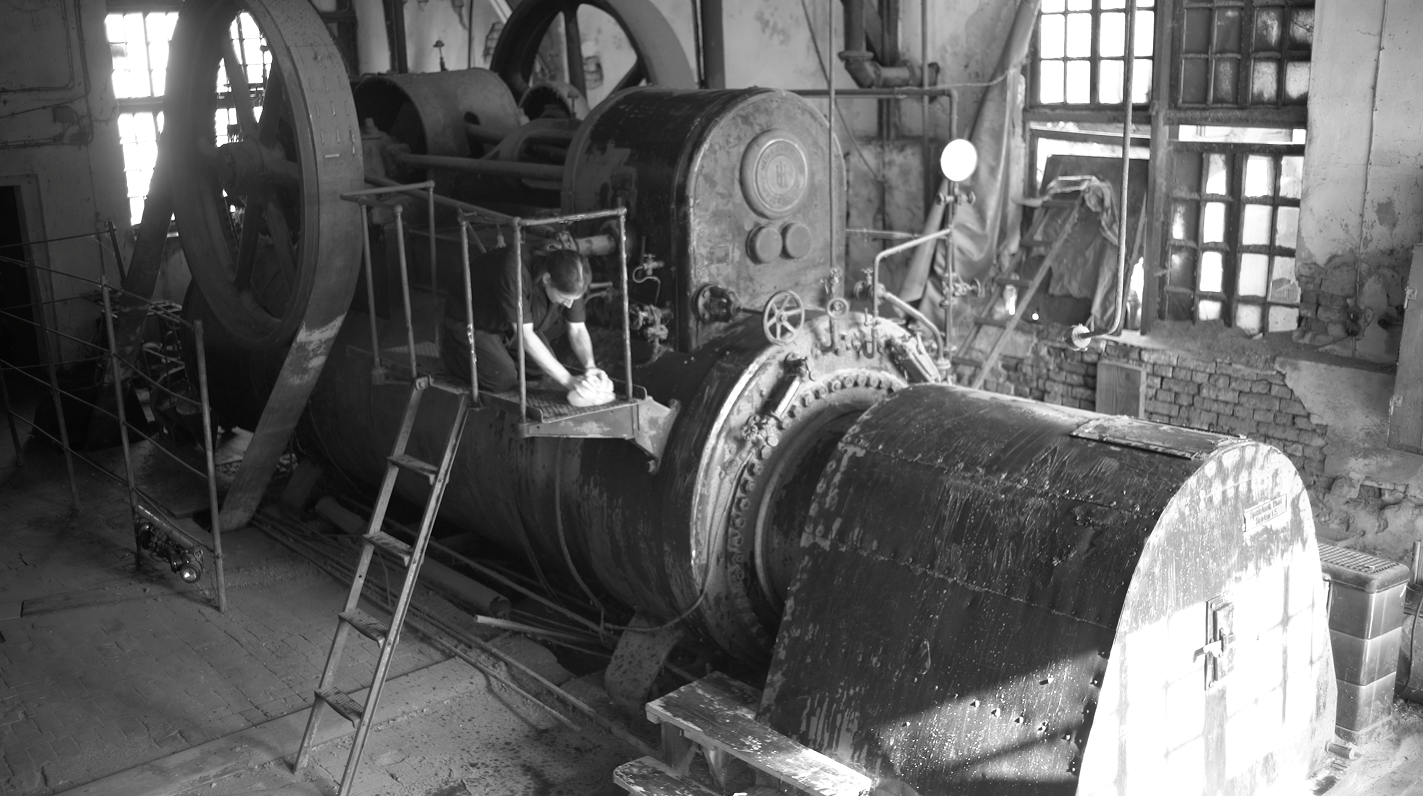
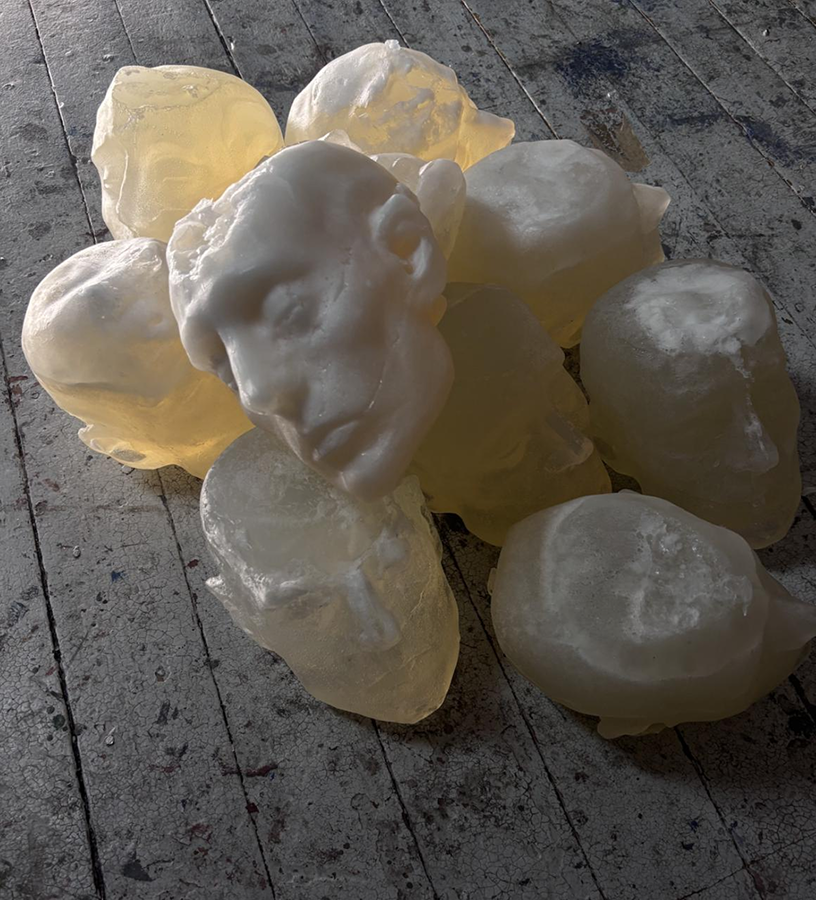
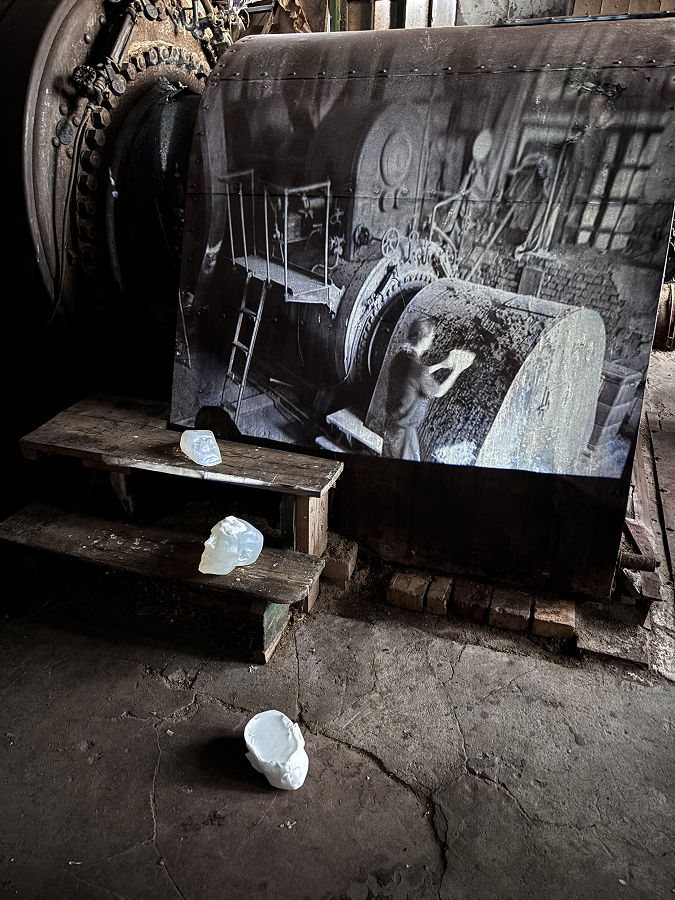
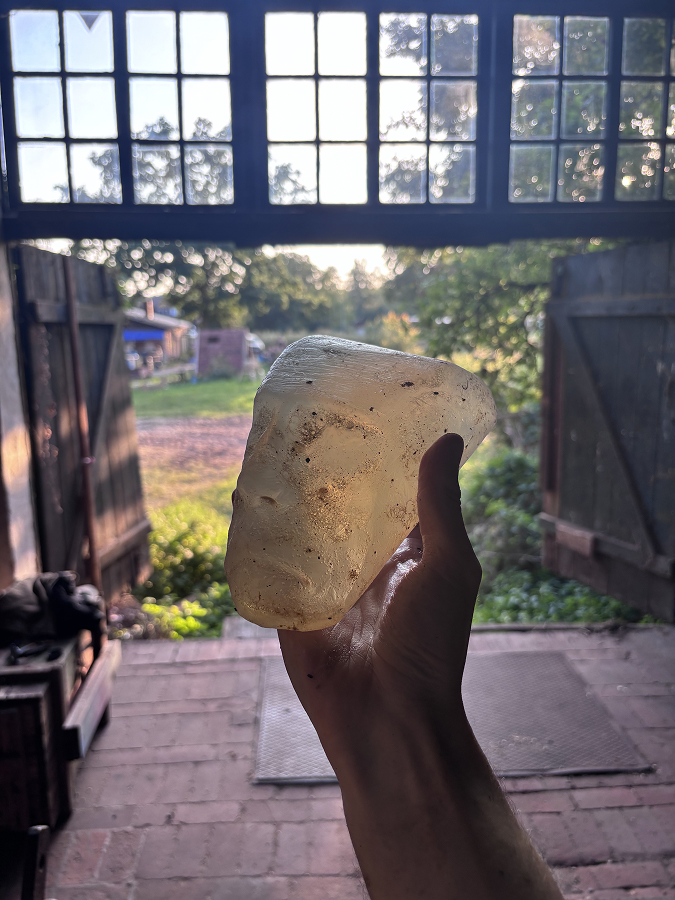
At the core of the project is a series of sculptures made from ecological soap. These ephemeral objects return to public spaces full of historical and political tension, such as sites of demolished monuments, zones of activism or sites of memory, where they are used to “clean” sites of memory. As they dissolve, they gently erase symbols of power without destroying them and turn the act of cleaning into a gesture of care. The project approaches memory as a living and changeable process that requires continuous care rather than monumental fixation, seeking to encourage people to act towards social values through small gestures of care and engagement. The project refers to the politics of memory and to how it is formed in different countries and systems, but it also functions as an act of maintenance. As an emigrant, I take care of a space in which I am a stranger. In this sense, the work is about sustaining care and participation as ongoing practices.
“Monuments of Oblivion” is also an evolving archive that collects documentation and contextual materials related to each site, in particular the stories about what happened in the places where the performances took place.
At the core of the project is a series of sculptures made from ecological soap. These ephemeral objects return to public spaces full of historical and political tension, such as sites of demolished monuments, zones of activism or sites of memory, where they are used to “clean” sites of memory. As they dissolve, they gently erase symbols of power without destroying them and turn the act of cleaning into a gesture of care. The project approaches memory as a living and changeable process that requires continuous care rather than monumental fixation, seeking to encourage people to act towards social values through small gestures of care and engagement. The project refers to the politics of memory and to how it is formed in different countries and systems, but it also functions as an act of maintenance. As an emigrant, I take care of a space in which I am a stranger. In this sense, the work is about sustaining care and participation as ongoing practices.
“Monuments of Oblivion” is also an evolving archive that collects documentation and contextual materials related to each site, in particular the stories about what happened in the places where the performances took place.